Government-backed education programs provide essential financial support and resources, enhancing accessibility to education and fostering skill development, ultimately empowering individuals and uplifting communities.
Government-backed education programs play a crucial role in making education accessible to a wider audience. Have you ever wondered how these initiatives can enhance your learning opportunities and potentially transform your career? Let’s dive into this topic.
Understanding government-backed education initiatives
Understanding government-backed education initiatives is essential for those looking to enhance their learning opportunities. These programs are designed to provide support and resources for students, making education more accessible across various demographics.
Types of Government-Backed Education Programs
There are several types of government-backed education initiatives designed to meet different needs and preferences. Each initiative plays a vital role in helping learners succeed.
- Scholarships and grants for low-income students
- Vocational training and skill development programs
- After-school tutoring and mentoring programs
- Community education and adult learning classes
These programs often focus on improving educational quality and opportunities for disadvantaged groups. For instance, scholarships can help students pursue higher education without the burden of debt. On the other hand, vocational training equips individuals with skills needed in today’s job market.
Benefits of Participation
Participating in government-backed education initiatives offers numerous benefits that can positively impact a learner’s future. First, such programs often provide essential resources and materials, making it easier for students to succeed.
Additionally, these initiatives can foster a sense of community among participants. When students share their learning experiences, they often create lasting friendships and support networks. This collaborative environment can lead to higher levels of motivation and achievement.
Moreover, employers value candidates who have participated in structured learning programs. These experiences typically demonstrate dedication and a commitment to personal growth, traits that are highly sought after. Overall, understanding these initiatives can help individuals maximize their educational pathways and career success.
Key benefits of government-backed education programs
Key benefits of government-backed education programs are numerous and impactful for students of all ages. These programs are designed to support education by making it more affordable and accessible, ultimately aiding individuals in achieving their academic and career goals.
Financial Support
One of the primary advantages is the financial support offered through scholarships and grants. This support helps alleviate the burden of tuition fees. Students can focus on their studies rather than worry about mounting debt.
- Grants do not need to be repaid, making them beneficial for students.
- Scholarships recognize academic achievement and encourage excellence.
- Reduced financial stress enables better academic performance.
Furthermore, government programs often target specific populations, such as low-income families, which ensures equitable access to education for all. This financial backing can change lives and create opportunities where there were none before.
Skill Development
Another key benefit of government-backed education programs is their focus on skills development. Many initiatives provide vocational training, allowing individuals to gain practical skills tailored to market demands.
Participating in such programs can lead to higher employability. Skills learned in these programs are often in high demand across various industries. Additionally, these educational pathways help individuals become more self-sufficient and adaptable in a changing job market.
The collaborative learning environment fostered by these initiatives also encourages teamwork and communication skills, essential for workplace success. Through government-backed education programs, students not only learn academic concepts but also develop necessary life skills.
How to find programs in your area
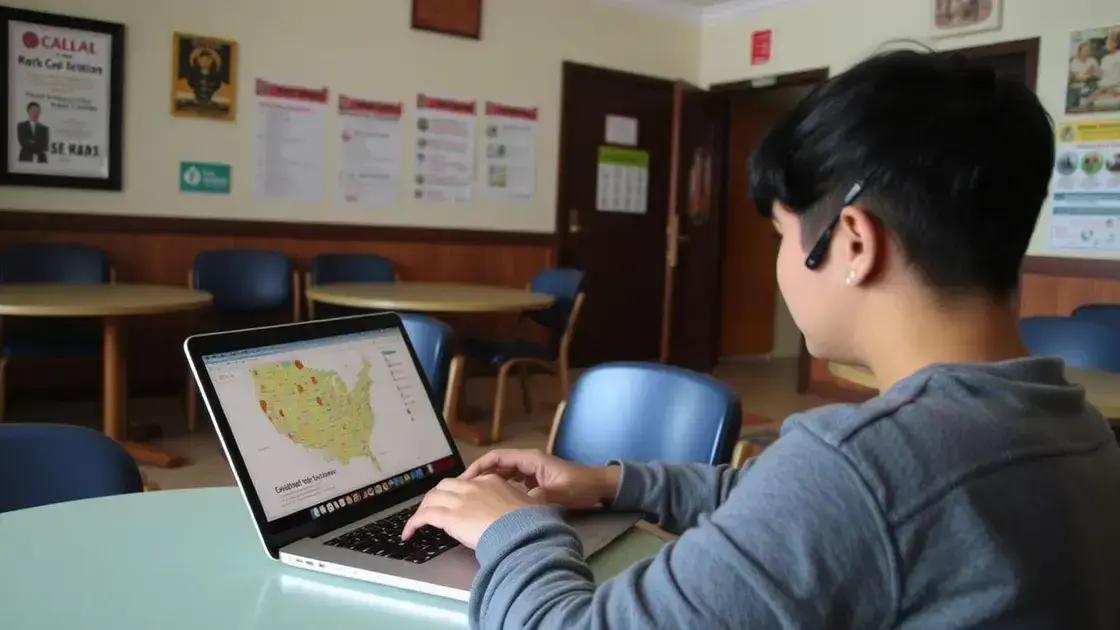
Finding government-backed education programs in your area can be a straightforward process when you know where to look. These programs are designed to enhance educational opportunities, and discovering them can unlock valuable resources for personal and professional development.
Online Resources
One of the easiest ways to find local programs is through online resources. Websites dedicated to education often list available programs by region. Some key online platforms include:
- Government education department websites
- Community college websites
- Nonprofit organizations focused on education
- Job training sites and forums
These platforms provide information about available courses, funding options, and how to apply. Additionally, filtering searches by locations and topics can help you find the right fit for your needs.
Local Community Centers
Local community centers often serve as valuable hubs for education information. Many offer programs directly or can guide you to nearby options. Checking with:
- Public libraries
- Community colleges
- Adult education centers
- Job resource centers
can yield useful results. Staff members at these locations frequently have insights about educational initiatives in your vicinity.
Don’t hesitate to ask questions and express your educational goals. Staff can often recommend programs that fit your needs and even provide details on enrollment processes.
Networking in your community can also help uncover government-backed education programs. Talk to friends, family, and colleagues about their experiences. They may know about programs you weren’t aware of or can provide personal testimonials that can guide your decision.
Success stories of individuals impacted by these programs
Success stories of individuals impacted by government-backed education programs highlight the powerful difference these initiatives can make in people’s lives. Many have transformed their futures by taking advantage of the opportunities provided through these programs.
Real-Life Examples
Consider the story of Maria, a single mother who faced financial challenges while trying to provide for her children. Through a local government-backed program, she received a scholarship that allowed her to enroll in a nursing program. With hard work and dedication, Maria graduated and now enjoys a stable career with good pay, significantly improving her family’s quality of life.
Another inspiring example is James, who struggled to find a job after high school. Participating in a vocational training program funded by the government allowed him to learn essential skills in carpentry. After completing the program, James found a fulfilling job and now runs his own construction business, creating job opportunities for others in his community.
The Impact on Communities
Stories like Maria’s and James’s demonstrate how government-backed education programs do more than just assist individuals. They strengthen communities by developing a skilled workforce. When individuals succeed, they often give back to the community, proving that education is crucial for economic growth and social development.
Moreover, these programs help reduce poverty levels by providing access to better job opportunities. They instill hope and motivate participants to strive for further personal and professional growth.
These success stories are not isolated. Many individuals share their journeys of overcoming obstacles through educational support, showcasing the invaluable role of government-backed education initiatives in building brighter futures.
The future of government-supported education
The future of government-supported education looks promising as new initiatives emerge to meet the changing needs of students and communities. Policymakers are increasingly recognizing the importance of investing in education to prepare the workforce for tomorrow’s challenges.
Innovative Approaches
Future programs are likely to incorporate innovative approaches to learning. This includes:
- Online learning platforms that provide flexibility and accessibility.
- Hybrid models blending in-person and virtual education.
- Tailored skill-building programs focused on industry demands.
- Increased partnerships with businesses for internships and apprenticeships.
These strategies aim to create a more personalized educational experience that aligns with students’ unique goals and the demands of the labor market. As technology advances, students will benefit from enhanced resources that facilitate effective learning.
Emphasis on Equity
Another focus for the future is equity in education. Ensuring that every student has access to quality education is essential. Efforts to reduce disparities will involve:
- Targeted funding for underrepresented communities.
- Creating mentorship programs for first-generation college students.
- Expanding outreach to rural areas.
- Promoting programs that support diverse learning styles.
By prioritizing equity, government-supported education can empower all individuals, regardless of their background, to reach their full potential.
As we look ahead, embracing technology, equity, and innovation will shape the landscape of government-supported education. This commitment to improvement aims to provide students with the tools they need for success in a rapidly evolving world.
FAQ – Frequently Asked Questions about Government-Backed Education Programs
What are government-backed education programs?
These programs are initiatives funded by the government to provide financial assistance, resources, and opportunities for education to individuals, making learning more accessible.
How can I apply for a government-backed education program?
You can apply through various online platforms, local community centers, or education department websites that list available programs and their application procedures.
What types of financial support are available?
Support can include scholarships, grants, and low-interest loans aimed at helping students cover tuition and other education-related expenses.
How do these programs benefit my community?
By empowering individuals with education and skills, these programs contribute to a skilled workforce, reduce poverty levels, and promote overall community growth.