The US shutdown risk for 2025 poses significant economic and operational challenges, affecting federal employees, local businesses, and essential services, necessitating proactive preparation from individuals and communities.
US shutdown risk 2025 has been making headlines, raising questions about its implications for various sectors. As we dive into the topic, you might wonder how such a risk could affect your daily life. Let’s unpack this issue together.
Understanding the US shutdown risk in 2025
Understanding the US shutdown risk in 2025 is crucial for everyone, as it affects various aspects of daily life and the economy. When the government halts operations, many services can be disrupted, impacting millions.
The Causes of Government Shutdowns
Several factors can lead to a government shutdown. It often happens due to disagreements over budget priorities. Lawmakers may struggle to agree on funding for different sectors like defense, education, or healthcare. These disagreements can cause delays in passing essential budget bills.
- Political disagreements between parties
- Unfunded mandatory programs
- Changes in leadership
- External pressures, such as economic crises
Each of these factors contributes to a heightened risk of a government shutdown, and understanding them can help you prepare.
Potential Impacts on Citizens
A shutdown can have profound effects on citizens. Federal workers may experience furloughs, leading to income loss. Additionally, government services, such as tax processing and national parks, could be temporarily suspended, affecting daily life.
During a shutdown, it’s essential to stay informed. Following updates through reliable news sources can provide insight into when services might resume. Not everyone will feel the impact equally; families relying on government assistance may be hit the hardest.
So what can you do? Preparing for a potential shutdown means understanding its risks. This way, you’ll be ready for any changes it brings.
As we explore this topic further, consider how the US shutdown risk in 2025 might affect your plans and financial decisions. Being proactive can help mitigate some of the stress associated with such situations.
Historical context of government shutdowns
The historical context of government shutdowns reveals a pattern of political disagreements leading to halted government operations. Understanding this history helps us grasp the seriousness of potential future shutdowns.
Key Events in Shutdown History
Government shutdowns are not new. The first shutdown occurred in 1980. Since then, there have been several significant shutdowns that shaped public opinion and government policies.
- 1980: The first known shutdown lasted for one day.
- 1995-1996: A major shutdown lasted for 21 days, affecting various federal services.
- 2013: A 16-day shutdown resulted in the closure of national parks and numerous federal offices.
- 2018-2019: The longest shutdown lasted for 35 days, highlighting deep political divides.
Each event serves as a lesson on the effects of political negotiations and their impact on the public. During these periods, federal workers often faced furloughs and the disruption of essential services.
Public Reactions and Effects
The public reaction to government shutdowns is typically one of frustration. Many citizens face inconveniences when federal services are unavailable. This can lead to a loss of trust in government officials and their capacity to manage budgets effectively.
Citizens may also experience economic effects, as businesses that rely on government contracts or services can suffer losses during a shutdown. This ripple effect shows how intertwined government operations are with the private sector.
Analyzing these historical precedents helps us understand how the government shutdown risk in 2025 could unfold. Historical events remind us of the importance of stable governance for a well-functioning society.
Possible impacts on the economy
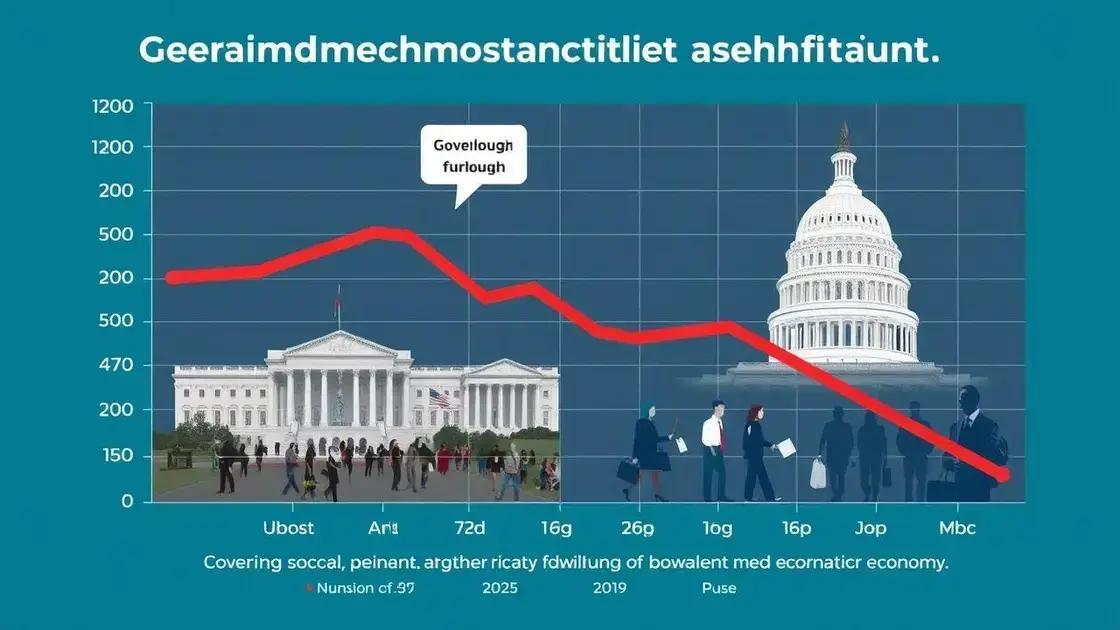
The possible impacts on the economy due to a government shutdown can be significant and far-reaching. When the government suspends operations, many services are disrupted, affecting the financial stability of various sectors.
Direct Economic Effects
One immediate effect is the impact on federal employees. During a shutdown, many federal workers are furloughed or required to work without pay. This leads to a decrease in consumer spending, as these workers cut back on purchases to manage financially. As spending decreases, local businesses may suffer from reduced sales.
- Furloughed employees face income loss.
- Reduced consumer spending affects local economies.
- Businesses reliant on government contracts may struggle.
- Tax revenue may decrease due to the closure of IRS operations.
Moreover, a prolonged shutdown can lead to ripple effects across many industries, resulting in job losses and further economic instability.
Effects on Government Services
The shutdown also hampers essential services that the public relies on. For instance, public health programs, safety inspections, and regulatory activities may come to a halt. This can have health and safety implications that threaten citizens’ well-being. Delays in regulatory approvals can slow down project timelines in various industries, impacting overall economic progress.
Furthermore, delays in federal funding can stall projects, especially in the construction and infrastructure sectors. These stalled projects lead to job losses in those sectors, further exacerbating economic concerns.
The long-term economic consequences of a shutdown could lead to a decrease in national productivity. When confidence in the government’s ability to manage finances is shaken, it can deter investment. Investors often prefer stability, and political gridlock can be seen as a risk to the economy.
Key players involved in the shutdown risk
The key players involved in the shutdown risk are critical to understanding how government operations can be affected. It is essential to grasp the roles of various stakeholders, as their actions directly influence the likelihood of a shutdown.
Government Officials
Members of Congress play a significant role in deciding the budget and funding priorities. Their negotiations and agreement on budget matters can either prevent a shutdown or lead to one. Different political parties may have conflicting priorities, which can complicate these discussions.
- Senators and Representatives have the power to approve or deny budget proposals.
- Party leadership can push for specific agendas that impact negotiations.
- Committee members review budget plans before they reach the floor.
Understanding the dynamics between political parties helps shed light on the complexities that surround government funding decisions.
Federal Employees
Another important group is federal employees. They are often directly affected by shutdowns due to furloughs or work without pay. Their response to shutdown threats can also influence negotiations, as public pressure may motivate politicians to find compromise.
Federal workers often advocate for quick resolutions, emphasizing how a shutdown impacts their families and their communities. Organizations representing federal employees can mobilize public opinion to prevent shutdowns. The connection among citizens, federal employees, and their representatives can create a powerful force for change.
The Public and Advocacy Groups
Lastly, the general public, along with various advocacy groups, plays a crucial role. Public opinion can affect how politicians approach budget negotiations. Grassroots movements can pressure elected officials to reach consensus.
Advocacy groups may focus on specific issues, such as healthcare or education, pressing lawmakers to fund essential services. This advocacy can lead to increased media attention surrounding the implications of a shutdown.
How to prepare for potential outcomes
Knowing how to prepare for potential outcomes of a government shutdown is essential for individuals and families. Being proactive can help minimize stress during uncertain times.
Stay Informed
The first step is to stay informed about governmental decisions and potential shutdown risks. Follow reliable news sources for updates. Understanding the political landscape can help you anticipate challenges. Social media and official government websites can also provide real-time information about budget negotiations and shutdown possibilities.
- Subscribe to newsletters from credible news outlets.
- Follow relevant government agencies on social media.
- Attend community meetings or town halls to understand local impacts.
Keeping up-to-date can help you make informed decisions.
Financial Preparedness
Another critical aspect is financial preparedness. Delaying payments or cutting back on discretionary expenses can create a financial cushion. Assessing your budget and finding areas to save can be beneficial.
Building an emergency fund can help families navigate unexpected challenges. If a shutdown occurs and federal employees face furloughs, having savings can ease financial stress.
Community Engagement
Engaging with your community can also offer support. Joining local groups or networks can help share information and resources. Community organizations may provide assistance for those affected by a shutdown.
Collaborating with neighbors to share resources, like childcare or food, can reduce the burden on families while waiting for services to resume. Strong community ties can make navigating a shutdown more manageable.
FAQ – Frequently Asked Questions about the US Shutdown Risk 2025
What is a government shutdown and why does it occur?
A government shutdown happens when Congress fails to pass funding for government operations. This can occur due to political disagreements over budget priorities.
How can a government shutdown affect federal employees?
During a shutdown, many federal employees may be furloughed, leading to income loss and uncertainty about their job status.
What steps can individuals take to prepare for a potential shutdown?
Staying informed, budgeting wisely, and building an emergency fund are key steps individuals can take to prepare for a potential government shutdown.
How does the public influence decisions about government shutdowns?
Public opinion can play a significant role in influencing lawmakers. Advocacy groups and grassroots movements can pressure representatives to reach budget agreements.