The minimum wage increase in the US aims to improve financial stability for low-income workers, but it also presents challenges for businesses that must adapt to higher labor costs.
The recent minimum wage increase in the US has sparked discussions across the country. What does this change mean for you, your community, and the economy? Let’s explore the potential impact together.
Understanding the minimum wage landscape
To understand the minimum wage landscape in the US, it is essential to look at its history and significance. Minimum wage laws were established to protect workers from exploitation and ensure fair compensation for their labor.
Over the years, minimum wage rates have changed significantly, responding to shifts in the economy and cost of living. It’s vital to recognize that each state can set its own minimum wage, often resulting in a patchwork of laws across the country. This variation can create confusion for employers and employees alike.
Key Factors Influencing Minimum Wage
The minimum wage can be affected by various factors:
- Cost of living adjustments
- Economic downturns or booms
- Political decisions and lobbying efforts
- Market demand for labor
Each of these elements plays a role in determining the base salary workers receive in their respective areas. As we explore the current minimum wage rates, it’s important to highlight that the federal minimum wage has not kept pace with inflation over the years.
State Variations in Minimum Wage
Every state’s government can set its own minimum wage higher than the federal level. Some states, such as California and New York, have enacted more generous minimum wage laws, while others continue to adhere strictly to the federal guideline.
This creates a situation where workers in different regions may experience vastly different living conditions based on their local minimum wage. For example, a higher wage in a city with a high cost of living is crucial for workers to make ends meet.
Being aware of the minimum wage landscape allows workers to advocate for themselves better and understand their rights. It’s not just about the numbers; it’s about the impact these decisions have on people’s lives.
Historical context of minimum wage increases
Understanding the historical context of minimum wage increases helps us see how these laws shape the labor market today. The concept of a minimum wage began in the early 20th century as a response to the growing concern for worker rights.
In the United States, the first federal minimum wage law was enacted in 1938 as part of the Fair Labor Standards Act (FLSA). This law aimed to protect workers during the Great Depression by ensuring they received a basic wage for their labor.
Key Events in Minimum Wage History
Several significant milestones have marked minimum wage legislation:
- The introduction of the FLSA in 1938
- Adjustments made during the 1960s civil rights movement
- Subsequent raises in the federal minimum wage, particularly in the 1970s
- Recent state-level initiatives to increase the minimum wage significantly
Over the years, the minimum wage has been a topic of heated debates, reflecting the changing values and economic conditions of society. For instance, in 1968, the federal minimum wage reached its peak purchasing power, allowing workers to support their families comfortably.
Shifts in Public Opinion
Public opinion has played a crucial role in pushing for minimum wage increases. As the cost of living rises, many citizens feel that the current minimum wage does not provide enough for their basic needs. This viewpoint has led to increased pressure on lawmakers to adjust wage standards.
Additionally, movements such as the Fight for $15 have garnered national attention, advocating for a higher minimum wage to address income inequality and improve living standards. Understanding these historical shifts allows us to appreciate the ongoing discussions surrounding minimum wage laws today.
Impact on low-income workers
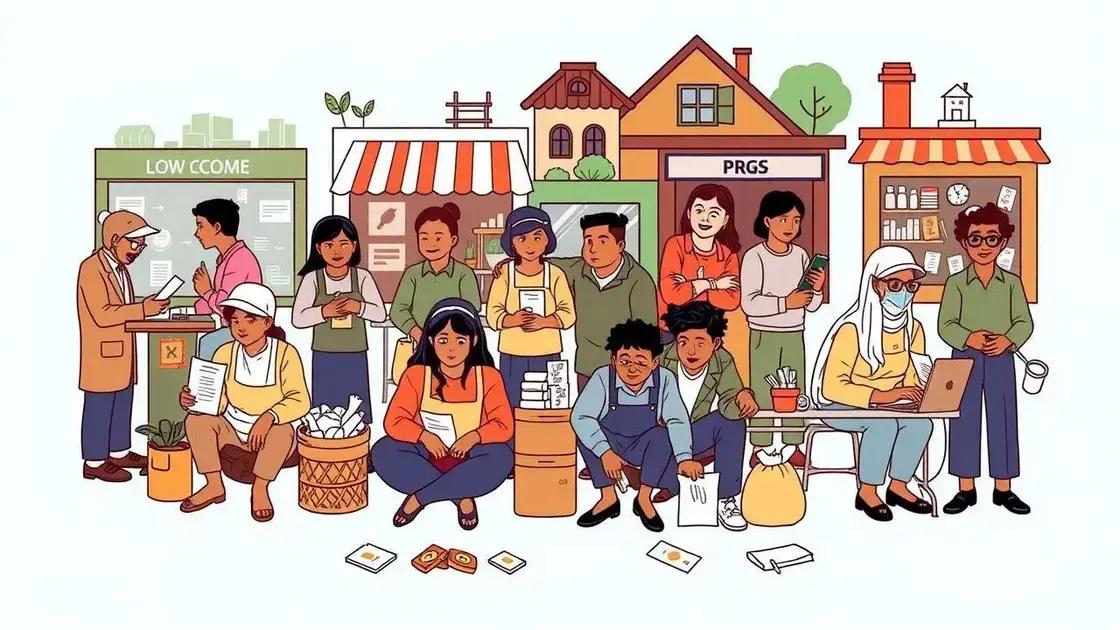
The impact on low-income workers from minimum wage increases is profound. When the minimum wage rises, it directly benefits those earning the lowest salaries, providing them with more income to cover basic living expenses.
Higher wages can lead to improved standards of living and reduced poverty levels. Many low-income workers struggle to make ends meet, and even a small increase in their hourly wage can make a significant difference. For instance, they may have more funds available for housing, food, and healthcare, which can enhance their overall quality of life.
Benefits of Increased Wages
When the minimum wage is increased, there are several key benefits:
- Greater financial stability for families
- Increased consumer spending in local economies
- Reduced reliance on government assistance programs
- Improved mental and physical health outcomes for workers
These advantages often extend beyond the individual, positively affecting communities and local economies. As low-income workers spend their increased earnings, local businesses can thrive, leading to a more robust economy overall.
Challenges Faced by Low-Income Workers
Despite the benefits, there are also challenges that minimum wage increases can present. For employers, raising wages might lead to higher operational costs. Some may respond by reducing hours or cutting staff, which can impact job availability. Additionally, not all businesses can absorb the increased costs without adjusting their pricing structures.
Low-income workers may feel the effects of these shifts in various ways. It’s essential to balance the needs of workers with the realities of the labor market to ensure sustainable changes that benefit everyone.
Economic effects of raising the minimum wage
The economic effects of raising the minimum wage can be wide-ranging and complex. When the minimum wage is increased, it influences both workers and businesses in various ways. For many employees, a higher wage can provide much-needed financial relief, impacting their capacity to spend on everyday necessities.
As workers have more disposable income, they often increase their spending. This uptick in consumer demand can stimulate local economies, allowing businesses to thrive. However, the impact on businesses can vary significantly depending on their size and industry.
Positive Impacts on the Economy
Some of the positive effects include:
- Increased spending that boosts economic growth
- Higher worker productivity and morale
- Lower employee turnover, saving companies recruitment costs
- Reduced reliance on government welfare programs
As wages rise, workers are likely to contribute more to their local economies, creating a beneficial cycle. With increased purchasing power, families can better support local businesses, which in turn can hire more employees or invest in expansion.
Challenges for Businesses
However, there are challenges that come with increasing the minimum wage. Some small businesses may struggle to absorb higher labor costs. They might respond by raising prices, limiting hiring, or even reducing employee hours to manage expenses.
Particularly in industries with thin profit margins, such as retail and hospitality, the impact can be significant. These businesses may find it difficult to compete if they are forced to pay higher wages without increasing their prices significantly.
Understanding these economic dynamics is crucial for policymakers as they consider future adjustments to the minimum wage. It’s important to weigh the benefits for workers against the potential challenges for businesses to create a balanced approach.
Future outlook on minimum wage adjustments
The future outlook on minimum wage adjustments is a topic of great interest and debate. As economic conditions evolve, many advocates are calling for further increases to the minimum wage to keep pace with inflation and the rising cost of living.
Experts predict that as more people join the discussion, we may see an increasing number of states adopting higher wage standards. This movement could lead to a more uniform approach to minimum wage across the country, benefiting workers in various sectors.
Trends and Predictions
Several trends suggest a shift in the future of minimum wage policies:
- Increased support from younger generations who prioritize fair wages
- Continued lobbying from worker advocacy groups pushing for living wages
- Potential ties between minimum wage increases and economic recovery from crises, such as the COVID-19 pandemic
- exploration of policies linking wages to inflation rates
These factors could influence policymakers to make more proactive changes regarding minimum wage legislation. Additionally, as businesses adapt to new wage structures, innovative solutions may emerge to balance employee needs and business sustainability.
Challenges Ahead
Despite the positive outlook, challenges remain. There is still significant opposition from certain business groups who argue that higher wages may lead to job losses or increased prices for consumers. Finding a middle ground that addresses the needs of workers while considering the realities of the economy will be crucial.
As discussions continue, community engagement will play an important role. Encouraging open dialogue between workers, employers, and policymakers can lead to more informed decisions that reflect the needs of all stakeholders.
In conclusion, the conversation about minimum wage is more vital than ever. The minimum wage increase in the US holds the potential to uplift many workers while presenting challenges for businesses. As communities engage in discussions about future adjustments, it’s essential to recognize the impact these decisions have on every day lives. Balancing the needs of workers with the realities of the economy will be crucial for sustained progress.
As we look ahead, conversations around wages will continue to evolve. Engaging all stakeholders ensures a more equitable approach that benefits both workers and businesses. A thoughtful and informed dialogue can lead to a brighter financial future for millions.
FAQ – Frequently Asked Questions about Minimum Wage Increase in the US
What is the minimum wage in the US now?
The federal minimum wage in the US is currently $7.25 per hour, but many states and cities have set higher minimum wages.
How does increasing the minimum wage affect employees?
Increasing the minimum wage generally provides workers with more income, which can improve their quality of life and reduce poverty.
What are the potential drawbacks for businesses with a higher minimum wage?
Some businesses may face higher labor costs, which could lead to raising prices, reducing hours, or even laying off employees.
How does public opinion influence minimum wage laws?
Public opinion plays a significant role, as increased support from citizens can push lawmakers to consider raising the minimum wage.