The public response to political events significantly influences legislation, as reactions through social media, protests, and shifting opinions shape policymakers’ decisions and drive civic engagement.
Latest US political headlines are crucial for understanding today’s ever-changing world. With numerous shifts and surprises, keeping up with politics can feel overwhelming. But don’t worry—this article breaks it down and highlights what truly matters.
Key issues shaping the current political landscape
The key issues shaping the current political landscape in the United States are varied and complex. As citizens, understanding these issues is crucial for being active participants in democracy. Let’s explore these significant topics that currently dominate discussions.
Economic Challenges
Economic struggles affect everyone. Issues such as inflation, job growth, and wage stagnation influence voters’ decisions. Many people are concerned about their financial stability, leading them to seek solutions.
- Rising cost of living impacts families.
- Unemployment rates and opportunities for work.
- Government responses to economic crises.
Healthcare Reform
Healthcare remains a hot-button issue. Access to affordable healthcare influences people’s lives significantly. Ongoing debates around insurance coverage and healthcare costs keep this issue in the forefront of political discussions.
Political views often diverge on how to approach healthcare reform. Some argue for universal healthcare while others support private healthcare solutions. The challenge is finding a balance that benefits everyone.
Climate Change
Another pressing concern is climate change. As natural disasters become more frequent, there is a growing awareness of the urgent need for environmental policies. Understanding this can guide how we vote and advocate for responsible legislation.
- Impact of climate change on daily life.
- Policies aimed at sustainability.
- Public response to environmental threats.
Individuals are becoming increasingly vocal about the environment, pushing policymakers to act. These concerns influence the priorities of many political candidates.
Social Justice Issues
Lastly, social justice topics continue to shape political discourse. Issues of equity and representation resonate strongly with voters, especially among younger generations. Movements advocating for racial and gender equality have gained momentum.
These movements highlight the need for comprehensive policies that address systemic inequalities. The connection between social justice and political action is significant, impacting elections and legislative processes.
Major players in US politics today
Major players in US politics today shape the policies and direction of the nation. Understanding who these individuals are and their influence is crucial for any engaged citizen. This landscape is filled with a variety of leaders, from elected officials to influential activists.
Political Leaders
At the forefront are elected officials. Presidents, senators, and representatives play key roles in shaping legislation. Their decisions directly impact everyday lives.
- The President sets the national agenda and policies.
- Senators influence state and federal laws.
- Representatives bring local issues to the national stage.
Party Leadership
Politicians are often backed by powerful party leaders. The Democratic and Republican parties have a significant impact on political direction. Party chairs and candidates work together to promote policies and values.
As these parties evolve, their influence can shift. New leaders emerge to address current issues and connect with voters. This dynamic nature of party leadership shapes elections and governance.
Activists and Influencers
Beyond elected officials, activists and influencers also play vital roles. They advocate for social justice, environmental causes, and various policy reforms. Their voices often mobilize communities and push for change.
Grassroots movements have become prominent, leveraging social media to raise awareness and drive participation. These activists lead campaigns that can change public perception and influence lawmakers.
Media’s Role
The media is another important player in politics. News outlets cover major events, influence public opinion, and hold leaders accountable. Their coverage brings attention to critical issues and can highlight the accomplishments of political figures.
With the rise of digital media, the landscape has become even more varied. Social media platforms allow for immediate dissemination of information, affecting how voters receive news and form opinions.
Impact of social media on political discourse
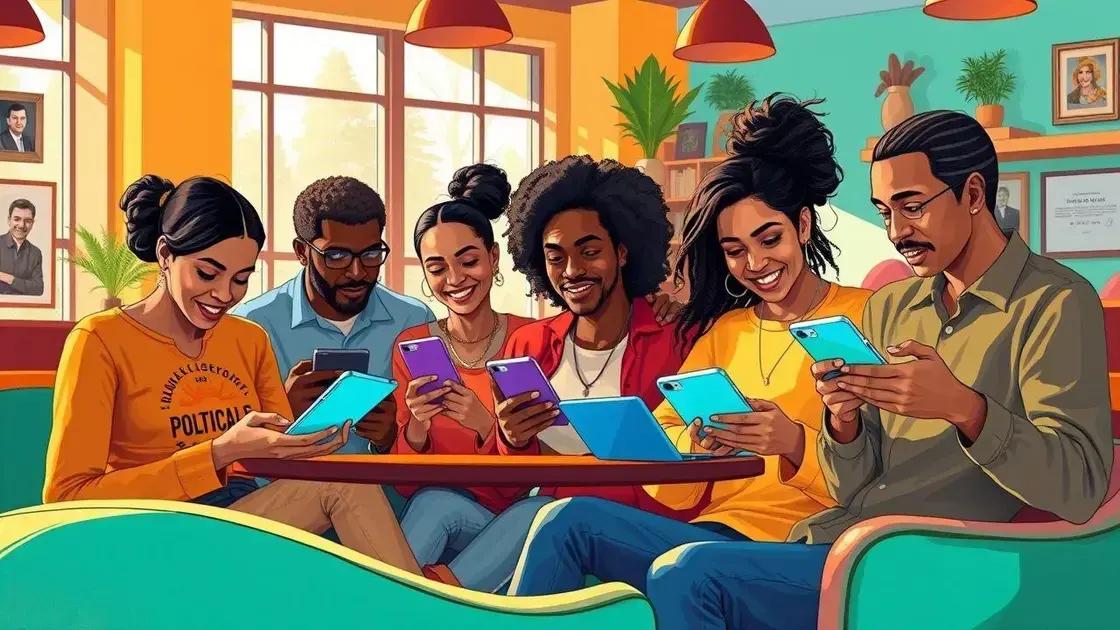
The impact of social media on political discourse has transformed the way people engage with politics. Platforms like Twitter, Facebook, and Instagram enable rapid communication and the sharing of ideas. As a result, the political landscape is more dynamic than ever.
Speed of Information
Social media accelerates the flow of information. News breaks online almost instantly, allowing users to stay updated with real-time updates. People share opinions, reactions, and news articles in moments.
- Immediate updates on political events.
- Viral posts can shape public opinion overnight.
- Access to diverse perspectives and analyses.
Amplifying Voices
Individuals and grassroots movements have found social media to be a powerful tool for advocacy. Activists use these platforms to mobilize support and raise awareness about important issues.
This amplifies marginalized voices and provides spaces for discussion that traditional media might overlook. People are able to share their experiences and challenges, leading to greater empathy and understanding.
Political Campaigning
Political campaigns have also evolved due to social media. Candidates use these platforms to connect directly with voters, bypassing traditional media filters. This approach helps candidates humanize themselves and respond to voter concerns.
Campaigns now focus heavily on online strategies. Engaging content often goes viral and plays a crucial role in reaching broader audiences. The effectiveness of targeted advertising on these platforms has also changed the way campaigns operate.
Challenges and Misinformation
While social media has many benefits, it also faces challenges. Misinformation spreads easily online, and false narratives can impact elections and public opinion. Users must be critical of the information they consume.
The challenge for platforms lies in balancing free expression with combating harmful content. The ongoing debates surrounding regulation and accountability are essential as we navigate this evolving landscape of communication.
Recent legislative changes and their significance
Recent legislative changes in the United States have significant implications for various aspects of society. These changes reflect the evolving priorities of lawmakers and the needs of the public. Understanding these updates is essential for anyone engaged in political discourse.
Key Policies Affecting Citizens
New laws impact everyday life. For example, changes in healthcare, education, and infrastructure can affect access to services and resources. Citizens may experience these changes directly or indirectly, influencing their daily routines and long-term planning.
- Healthcare reforms aim to improve access and affordability.
- Education policies may alter funding and resource distribution.
- Infrastructure bills focus on improving transportation and utilities.
Environmental Legislation
Another area of focus is the environment. Recent legislative efforts address issues like climate change and renewable energy. With growing concern over environmental issues, these laws represent a shift towards sustainability and awareness.
Policymakers are increasingly prioritizing regulations that promote clean energy and reduce carbon emissions. This focus impacts everything from transportation to manufacturing processes, leading to broader societal changes.
Social Justice Initiatives
Social justice issues also play a role in new legislation. Various laws aim to enhance equality and protect marginalized communities. These changes reflect a societal shift towards greater awareness and activism concerning civil rights.
From voting rights to criminal justice reform, these initiatives seek to create a more equitable society. Lawmakers often face strong advocacy from citizens demanding significant change.
Implications for Future Elections
Recent legislative changes will undoubtedly influence future elections. Voter sentiments and opinions on these laws can shape campaign strategies. Political candidates may emphasize their stances on these issues to win support.
As citizens become more aware of how legislation affects their lives, their voting behavior may shift. Public awareness and advocacy movements can also drive candidates to take more definitive stands on critical issues.
Public response to political events and how it evolves
The public response to political events plays a crucial role in shaping policy and the political landscape. Citizens’ reactions can influence lawmakers and their decisions significantly. Understanding this dynamic is essential for grasping how democracy works.
Impact of Social Media
Social media has transformed how the public engages with political events. People now have platforms to express their opinions instantly, leading to rapid mobilization around issues. These responses can amplify voices and drive change.
- Posts and shares can make topics trend quickly.
- Online petitions can gather widespread support in a short time.
- Public sentiment can shift dramatically with viral content.
Protests and Demonstrations
In-person protests and demonstrations represent another powerful form of public response. When citizens gather to voice their concerns, it sends a clear message to political leaders about what is important to the community. These events can attract media attention and raise public awareness.
Demonstrations often originate from grassroots movements, signaling widespread sentiment. The effect of a well-organized protest can lead to considerable policy changes and increased political engagement.
Shifts in Public Opinion
Public opinion can fluctuate based on various factors, including media coverage and political messaging. Polls frequently measure these sentiments, providing insights into how the public feels about specific policies or leaders. Understanding these changes helps track the evolution of political sentiment.
Polling data shows how public perception can shift. Events like elections, public speeches, or crisis situations can significantly alter opinions, often leading to unexpected outcomes.
Long-term Engagement
The way the public responds to political events has long-term effects on civic engagement. Significant events can ignite passion among citizens, motivating them to become more involved in politics. This renewed interest can lead to higher voter turnout and increased participation in community initiatives.
Ultimately, ongoing engagement is essential. As people respond to political changes, their involvement contributes to a more informed and active citizenry, reinforcing democratic processes.
The public response to political events is a vital part of our democracy. Observing how people react, engage, and mobilize around different issues helps shape policies and the direction of the government. From social media activism to organized protests, these responses influence lawmakers and drive change. As citizens continue to participate in the political process, their voices become stronger and impact future elections. Understanding this dynamic not only informs us about current events but also encourages active citizenship, ensuring everyone’s opinion matters.
FAQ – Frequently Asked Questions about Public Response to Political Events
How does social media influence public opinion during political events?
Social media allows for immediate sharing of opinions and information, which can quickly amplify public sentiment and mobilize support for issues.
What are the effects of protests on political decisions?
Protests can draw attention to specific issues, influencing lawmakers to take action by showing that there is substantial public support or dissent.
Why do public opinions shift frequently?
Public opinions shift due to various factors, including media coverage, political events, and grassroots advocacy, which can sway perceptions rapidly.
How can civic engagement be increased?
Civic engagement can be increased through awareness campaigns, community discussions, and encouraging participation in local government and voting.